


Traditionally, this process has been manual and time-consuming, often leading to delays and errors. However, with the advent of technological solutions, the landscape is changing rapidly. These solutions offer a range of benefits, from real-time tracking to automated reconciliation processes, which not only streamline the task but also enhance the reliability of financial reporting. Accountants must be vigilant in tracking these transactions to ensure accurate financial reporting. The balance sheet must reflect the true available cash, which requires adjusting the book balance by subtracting the total amount of outstanding checks.
- Whether you have a traditional or an online bank account, you can typically make a mobile check deposit with just a few clicks on your phone.
- Instead, they consider it during the bank reconciliation process to ensure that the cash balance reported on the balance sheet is accurate.
- Unfortunately, the issuing individual or business does not have any way to force a check to be deposited.
- Compliance with regulations, adherence to contractual obligations, and proper handling of outstanding checks can help mitigate potential risks and avoid costly consequences.
- Failure to track and manage outstanding checks can lead to discrepancies in financial records, inaccurate cash balances, and potential cash flow outstanding checks definition issues.
- If more than six months have passed, that check may well be expired and considered void.
AccountingTools

A mid-sized corporation implemented an improved financial management system that included automated tracking of outstanding checks. This led to more accurate cash flow forecasting and improved financial stability. The real-time alerts and comprehensive reporting provided by their new system enabled the finance Opening Entry department to take proactive measures, reducing the cash tied up in outstanding checks. In the realm of accounting, the meticulous process of adjustments is not merely a matter of reconciling figures but a strategic pivot that can significantly influence business decisions. This accuracy is paramount, as stakeholders rely on these documents for making informed decisions.
- Also, outstanding checks can make it hard to determine an account’s available balance, which can lead to bounced checks and overdraft charges.
- You’ve done your part; written the check, updated your records, and maybe even mailed it.
- It’s important to note that any failure or delay in addressing issues related to outstanding checks can exacerbate existing legal risks.
- How often have you received a check, set it aside on your desk, then nearly forgotten about it?
- Additionally, banks may have policies regarding check validity periods and fees for processing stale checks.
Timing Issues
If the old check isn’t six months old, or if you want an extra layer of protection, two strategies can protect you. It may be necessary to issue a new check without getting the old check back if the original check was lost or destroyed. This presents a thorny situation—two checks might be circulating for a single payment.
- This discrepancy can lead to significant differences between the balance recorded in the company’s books and the actual available funds in the bank account.
- For more terms and conditions, as well as escheatment laws for different accounts and assets, contact your state department of unclaimed property.
- Meanwhile, financial analysts stress the importance of understanding the implications of outstanding checks on a company’s liquidity and cash flow statements.
- This approach helps to keep issues with the check in check and work toward rectifying them before they become challenges.
- The potential for fraud is high with outstanding checks, put more pressure outstanding check meaning on the accounting team to monitor all transactions vigilantly.
Case Study 1: Small Business Cash Management

This means the liability for the funds remains with the issuer, putting their financial reporting and compliance at risk. This prevents someone from trying to cash or deposit it and possibly having it affect your account balance. You can then work out a resolution with the payee, perhaps a different payment method. If they do this in a timely manner, the check clears, and the payment gets transferred from the payor’s bank account to the payee’s bank account.
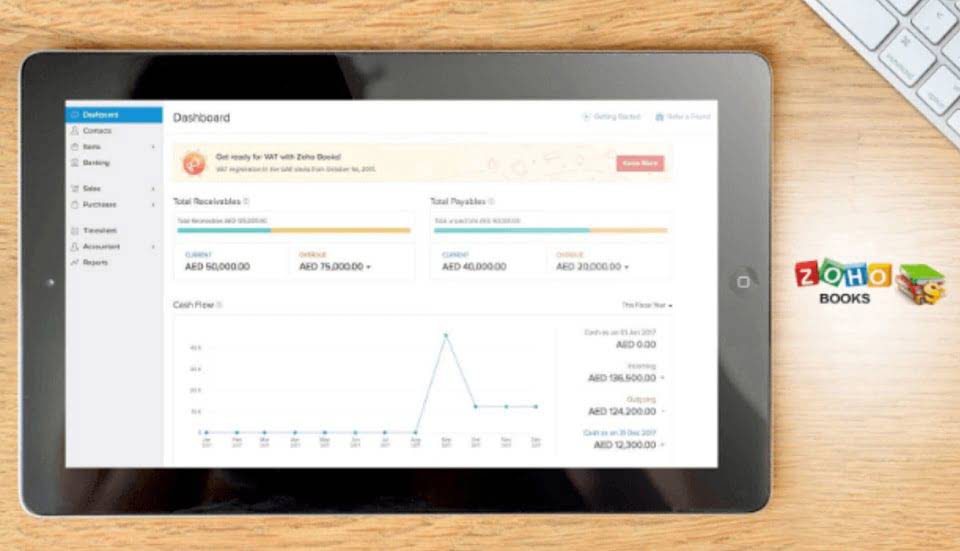
In the realm of accounting, managing outstanding checks is a task that requires meticulous attention to detail and a comprehensive understanding of financial processes. The complexity arises from the need to reconcile the company’s cash records with bank statements, a process that can be fraught with discrepancies due to timing differences and human error. Outstanding checks are a common issue for businesses, and their proper accounting is crucial for accurate financial statements. These checks, which have been written and recorded in the company’s cash ledger but not yet cleared by the bank, can create discrepancies in the balance sheet if not adjusted correctly. The reconciliation process ensures that the company’s cash records match the bank’s records, reflecting the true amount of cash available. This adjustment is not just a mere formality; it’s a critical step in financial reporting and compliance with accounting standards.
- It is important to remember that electronic transfer security measures must be put in place to prevent loss of funds.
- This adjustment is crucial for stakeholders who rely on the balance sheet to assess the company’s financial health.
- By diligently monitoring and reconciling outstanding checks, companies can make informed financial decisions and ensure their financial stability and success.
- Timely remittance fulfills your legal obligations and helps maintain a positive relationship with regulatory authorities.
- On the other hand, a financial analyst might view outstanding checks as an indicator of a company’s cash management efficiency.
The recipient is awaiting the income statement receipt of funds that have been promised through the check. You’ll want to take all reasonable steps to cash or deposit outstanding checks. If you wait too long, the check can go stale, and no longer be considered valid.
The Future of Accounting Adjustments and Outstanding Check Management
They need this information to make informed decisions about investments, payments, and other financial commitments. During this time, the outstanding check is still liable for the issuer’s account balance. If the payee doesn’t deposit the check right away or if it gets outstanding checks definition lost, stolen, or destroyed before being cashed, the check remains outstanding indefinitely.